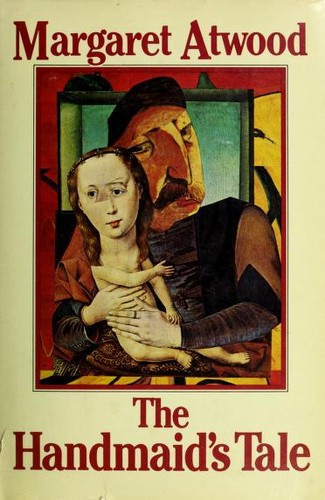
I read this one first in school, the way a lot of people probably did, and going back to it as an adult I noticed something I completely missed at fifteen, which is how much of the horror is administrative. Nobody has money of their own. Nobody reads. Handmaids are sorted into a caste by fertility the way you’d sort produce. Atwood doesn’t stage a single dramatic massacre to get you there, it’s mostly forms, checkpoints, a shopping trip where the tokens have pictures instead of words because women aren’t supposed to read anymore. That’s the part that got under my skin this time, more than any single violent scene did.
Offred herself is the reason it works though. She’s not brave in the way genre fiction trains you to expect, she’s just watching, cataloguing small rebellions, thinking about cigarettes and her old name and Serena Joy’s garden with this weirdly domestic attention even while she’s terrified. There’s a moment where she catches herself feeling almost tender toward the garden and then immediately explains why that tenderness is its own kind of trap, and I had to put the book down for a second. Small detail, does a lot of work.
Two things kept me from loving it without reservation. First, the total absence of quotation marks around dialogue, which I know is a deliberate choice, blurring memory and speech, but it made me reread a couple of passages twice to figure out who was talking. Second, the “Historical Notes” epilogue, the academic-conference framing tacked on at the end. A handful of other readers have said it should have ended right where Offred’s own account stops, on the ambiguous note of the van door closing behind her, and having sat with it, I think they’re right, the epilogue explains a little too much and the mystery drains out. But that’s a small complaint against a book that’s genuinely stayed with me. Nolite te bastardes carborundorum. I still think about that phrase more than any line from anything I read last year.